


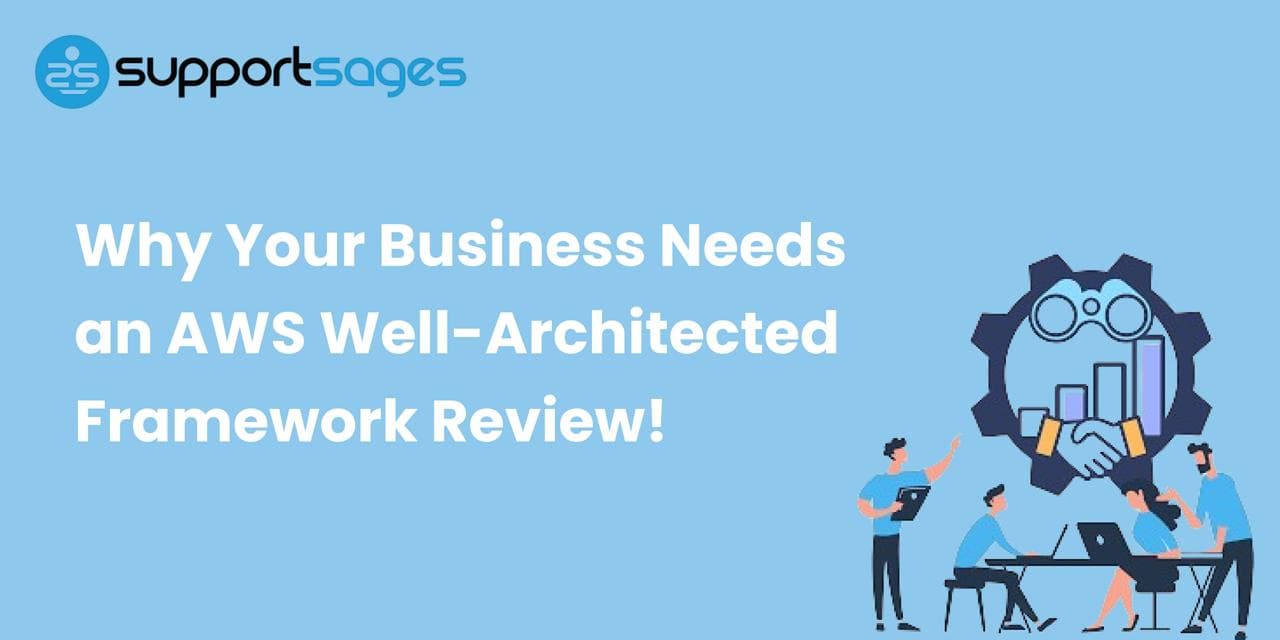
If you're using AWS for your business, you might be missing out on ways to save money, improve security, or boost performance. The AWS Well-Architected Framework Review (WAFR) is an easy way to make sure your cloud setup is running at its best. In this blog, we’ll explain why your business should consider a WAFR and how it can help you improve your cloud infrastructure.
1. Cut Cloud Costs with Smarter Spending
Many businesses end up paying more than they need to on cloud services. This often happens because of unused resources or poor setup choices. The AWS WAFR helps you find these areas and shows you where to cut back.
Why It Matters
By reviewing your setup, you can lower your cloud costs by using only what you need and avoid unnecessary spending.
2. Improve Your Cloud Security
Security is a big concern for businesses using cloud services. With AWS WAFR, you’ll get a clear picture of how secure your setup is. The review checks that your data is protected and that you're following best practices to keep your business safe from potential security risks.
Why It Matters
A strong security review can help protect your business from data breaches, ensuring that your cloud is safe and compliant with regulations.
3. Boost Performance and Reliability
If your cloud infrastructure isn’t optimized, your apps and services might slow down, leading to unhappy customers or lost productivity. AWS WAFR looks at how well your system performs and gives you advice on how to make it run smoother and faster.
Why It Matters
A well optimized cloud setup ensures that your business runs without delays or downtime, providing a better experience for your customers and team.
4. Prepare for Future Growth
As your business grows, so does your need for more cloud resources. AWS WAFR helps make sure your current setup can scale easily. This means you won’t face issues when the number of users or traffic increases, and you can handle growth without disruptions.
Why It Matters
A scalable cloud environment allows your business to grow smoothly, without having to worry about your infrastructure holding you back.
5. Stay Aligned with Best Practices

AWS has a set of best practices that help businesses run their cloud infrastructure successfully. These practices are built around five key areas: security, performance, cost optimization, reliability, and operational excellence. The WAFR ensures your setup follows these practices so you can stay ahead of the competition.
Why It Matters
Following AWS’s proven guidelines ensures your cloud environment is efficient, secure, and able to meet industry standards.
6. Get AWS Credits to Lower Costs
AWS encourages businesses to follow through with WAFR recommendations. If you qualify, AWS offers service credits to help cover the costs of making improvements to your setup.
Why It Matters
You could receive AWS credits worth $5000, which can reduce the cost of your cloud services, making the process of improving your setup more affordable.
7. Avoid Future Risks with Early Action
Cloud setups can become complicated, and even small issues can grow into big problems if not addressed. AWS WAFR helps you spot potential issues before they become major risks. By taking action now, you can avoid costly disruptions in the future.
Why It Matters
Fixing problems early on saves time and money, and ensures your business stays on track without unexpected setbacks.
Conclusion
The AWS Well-Architected Framework Review is a simple but powerful tool to improve your cloud infrastructure. By going through this review, your business can save money, improve security, boost performance, and prepare for future growth, all while following AWS’s best practices.
Getting a WAFR today is a zero cost investment that will pay off in the long run, ensuring your cloud setup is ready for the future.
Take the Next Step – Join Our Webinar Series
Want to know how AWS Well Architected Framework Review can improve your AWS infrastructure? Join our Webinar Series on AWS WAFR!
Click here to register now. Don’t miss this chance to learn how AWS WAFR can help your business!